
This article belongs to our Herbarium — a library of what past traditions believed about the great herbs of the Work. It records history, not advice: we describe what herbalists of other centuries did and thought, and we make no claims of our own. Nothing here is a guide to use.
Melissa: the honeybee
The plant's proper name is simply the Greek word for the honeybee. Beekeepers of the ancient world rubbed their hives with its lemon-scented leaves so that the swarm would know its home and never leave it, and both Pliny and Virgil record the practice — Virgil in the Georgics, his poem of farms and bees, where the keeping of a hive is treated with the gravity of statecraft. Sixteen centuries later John Gerard, the great Elizabethan herbalist, was still repeating the advice in nearly the same words: the hives of bees rubbed with balm, he wrote, caused the bees to keep together and drew others to join them.
A plant that keeps the bees faithful — the old world found that a very good omen. Bees held unusual standing in antiquity: emblems of eloquence, of industry, of the soul itself. Priestesses of Demeter were called Melissae, the bees, and Greek legend told of a nymph named Melissa who fed the infant Zeus on honey. The herb that shared their name shared something of their dignity, and melissa kept a place near the door of the European garden ever after.
What lemon balm is and where it grows
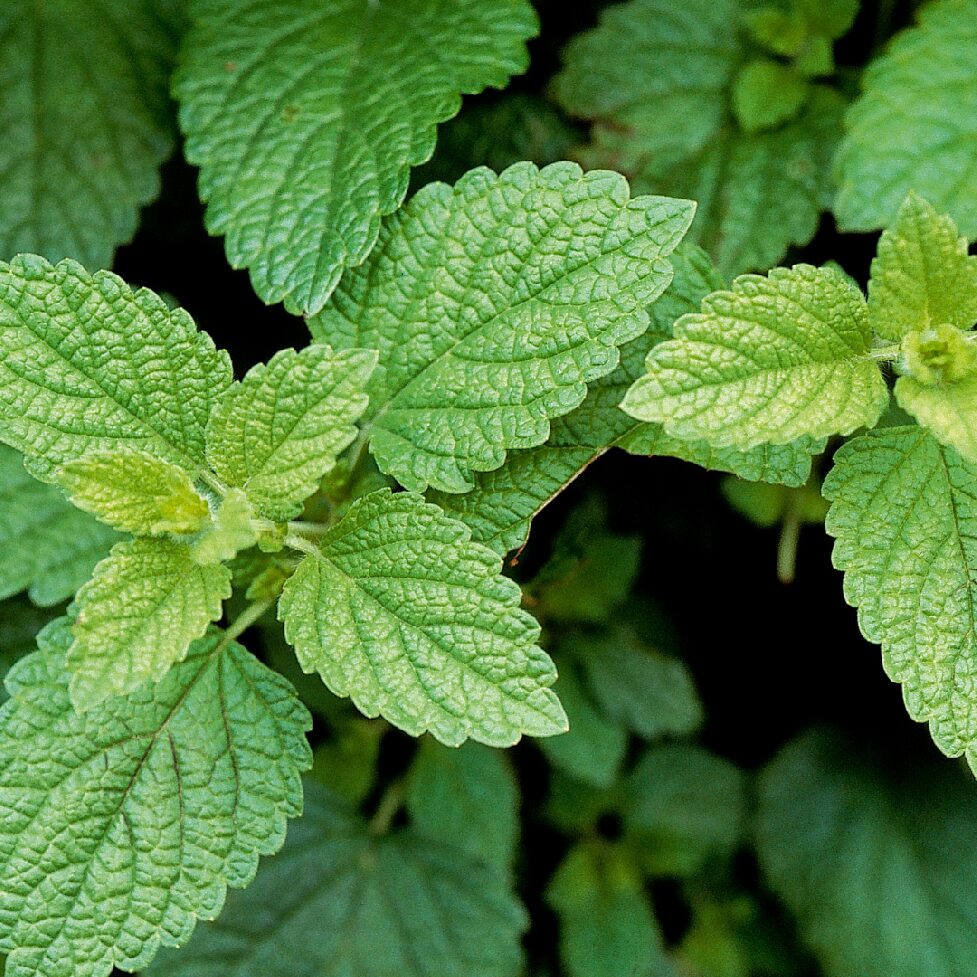
Melissa officinalis is a modest plant to carry so much praise. It is a perennial of the mint family — square-stemmed like all its kin — with soft, veined, gently toothed leaves and small whitish flowers that would scarcely be noticed were the bees not so insistent on noticing them. The blossom is unremarkable to the eye and irresistible to the hive; the leaf, bruised between the fingers, releases the scent that made the plant's fortune — a clean lemon brightness over a green, honeyed depth.
Its native ground is the eastern Mediterranean and western Asia, but it travels well and settles easily, and it has long since naturalized across Europe and far beyond. It asks little: a corner of ordinary soil, a share of sun, and it returns each spring from the root. The word officinalis in its botanical name is the old signal that a plant held a place in the officina — the storeroom of the monastery and the apothecary's shop. A plant, in other words, with a working past.
The names it carried
The naming of balm is a small history in itself. Greek writers called it melissophyllon, "bee-leaf," and under that name it appears in the founding botanists of the Western tradition, Theophrastus and Dioscorides. "Balm" itself is a shortening of balsam, from the Greek balsamon — the word for the most treasured aromatic resins of the ancient East — and its transfer to this common garden herb was a compliment of the highest order: the sweetness of the exotic balsams, the name implies, growing freely by a kitchen door. The apothecaries of later centuries knew the plant simply as melissa, and in that form the honeybee is preserved in the herb's formal name to this day.
From the monastery garden
Tradition credits Charlemagne with ordering balm planted in the gardens of his realm, so pleased was he with the plant — one of many herbs whose medieval fame traveled along the network of monastery gardens that kept physic and horticulture alive through the early Middle Ages. In the twelfth century Hildegard of Bingen, the Rhineland abbess whose writings on the natural world remain among that era's most remarkable documents, counted balm among the gladdening herbs: she held that it made the heart merry. That word — gladness — becomes the constant of the plant's entire recorded history. Whatever else the traditions disagreed about, they agreed that melissa belonged to joy.
What the old herbals believed
The conviction runs in an almost unbroken line from the ancient world to the threshold of the modern one. Dioscorides, whose first-century De Materia Medica governed European herbal practice for fifteen hundred years, wrote of the bee-leaf steeped in wine. The physicians of the Islamic world carried the belief onward and enlarged it: the later European herbals loved to cite Avicenna, the great Persian polymath of the eleventh century, for the opinion that balm made the mind and heart merry. Gerard repeated the praise in London at the close of the sixteenth century; Nicholas Culpeper repeated it again a half-century later, adding the astrological seal of his system — balm, he wrote, was an herb of Jupiter.
The English diarist and gardener John Evelyn gave the tradition its most quoted sentence: balm, he wrote, was sovereign for the brain, strengthening the memory and powerfully chasing away melancholy. However a modern reader weighs such testimony, its consistency across so many centuries and languages is striking. The old herbals held that melissa lightened the heart, eased melancholy and inner tension, and left the senses clear — calm, the tradition insisted, need not cost wakefulness. Few plants were trusted so specifically with the weather of the inner life.
The elixir of life
No herb collected grander testimonials than balm, and the grandest came from Paracelsus — the sixteenth-century physician-alchemist whose spagyric method is the ancestor of our own craft. Paracelsus held melissa in extraordinary esteem and prepared from it his primum ens melissae, the "first being" of balm, a preparation he associated with nothing less than the renewal of youth. The claim became one of alchemy's enduring legends, retold for centuries wherever the elixir of life was discussed.
Official medicine echoed the register long after Paracelsus was gone. The London Dispensary of 1696 still carried the promise that essence of balm taken in wine would "renew youth, strengthen the brain and relieve languishing nature." These are the beliefs of their centuries, recorded here as history; but it is worth pausing on what they reveal. Of all the plants in the European garden, it was this soft-leaved bee-herb — not some rare import, not a dragon-guarded root — that the alchemists reached for when they reached for the idea of youth restored.
Carmelite water
In 1611 the Carmelite nuns of Paris began distilling their Eau de Mélisse — lemon balm compounded with lemon peel, nutmeg, angelica and other aromatics — and the preparation, known across Europe as Carmelite water, was sold for two hundred years as a water of composure. It became one of history's most successful herbal preparations: a fixture of courts and dressing-tables, carried in travelers' cases, named in the literature of several languages. Its heart, through every variation of the recipe, was this leaf. That a cloister of Parisian nuns and the most notorious alchemist of the Renaissance should settle on the same modest plant says a great deal about the reputation melissa had earned.
The herb of Jupiter
Hermetically, melissa stands under Jupiter, the greater benefic — the planet of gladness, generosity and expansion. The assignment, made by the old astrologer-herbalists and kept by the tradition since, reads like a summary of the plant's whole biography: the herb of the faithful hive, the gladdening leaf of the monastery garden, the common plant that wears the name of precious balsam. Jupiter's gifts, in the old cosmology, were warmth without violence and abundance without noise — and that is melissa's register exactly: gladness that arrives quietly, the way the scent of the leaf arrives when it is bruised, and stays.
Lemon Balm in Folklore: Melissa, the Bee Nymph
The folklore of lemon balm begins in its very name. Melissa is simply the Greek word for the honeybee, and the myths reached for it accordingly. The old poets told of a nymph called Melissa who took the form of a bee and, together with her sisters, fed honey to the infant Zeus while he was hidden away in his cradle — a legend that bound the herb, from its first mention, to the king of the gods himself. Beekeepers held a homelier conviction: that a hive rubbed with balm would never be abandoned by its swarm, and would draw new bees to settle. Across the centuries the plant kept this atmosphere of faithfulness and quiet gladness, an herb the old world associated with love, welcome, and the lightening of grief.
The Herb Paracelsus Called the Elixir of Life
Of all the testimonials balm gathered, none rang louder than the one Paracelsus gave it. The sixteenth-century physician-alchemist — whose spagyric method is the ancestor of our own craft — prepared from the leaf his primum ens melissae, the "first being" of balm, and spoke of it in the register the alchemists reserved for the elixir of life itself. He linked the preparation, the old accounts held, to the renewal of youth, and the claim became one of alchemy's most retold legends. Later dispensaries echoed the language for two centuries more. That a common garden herb, and not some dragon-guarded root, should be reached for whenever the idea of restored youth was discussed tells you the standing melissa once held. (For the method behind such a preparation, see What is a spagyric tincture?.)
The Magical Properties of Lemon Balm
In the old hermetic and folk traditions, lemon balm was catalogued among the gladdening herbs — the plants the astrologer-herbalists filed under warmth and generosity rather than heat or force. It was associated with love and friendship, with welcome and reconciliation, and with the lifting of heaviness from the heart: Hildegard of Bingen counted it among the herbs she believed made the heart merry, and later writers repeated the temperament without amendment. Cunning-folk lore linked the leaf to success in affection and to the sweetening of a household's mood. These were the beliefs of their centuries, recorded here as folklore and not as counsel — but their consistency is striking. Wherever melissa appeared in the old books, gladness was the constant that traveled with it.
Lemon Balm and the Planet Jupiter
The astrologer-herbalists set melissa under Jupiter, the greater benefic — Culpeper stated it plainly, naming balm an herb of Jupiter, and the tradition has kept the assignment since. Jupiter was the planet of gladness, generosity and expansion, of warmth without violence and abundance without noise, and the reading fit the plant's whole biography: the herb of the faithful hive, the merry leaf of the monastery garden, the humble plant that bore the name of precious balsam. The mythic tie only deepened the seal, for the nymph Melissa had fed the infant Zeus — Jupiter's own Greek face. A handful of the old sources added a secondary thread of the Moon, for the plant's cool, silvery temperament; but Jupiter led, and leads still.
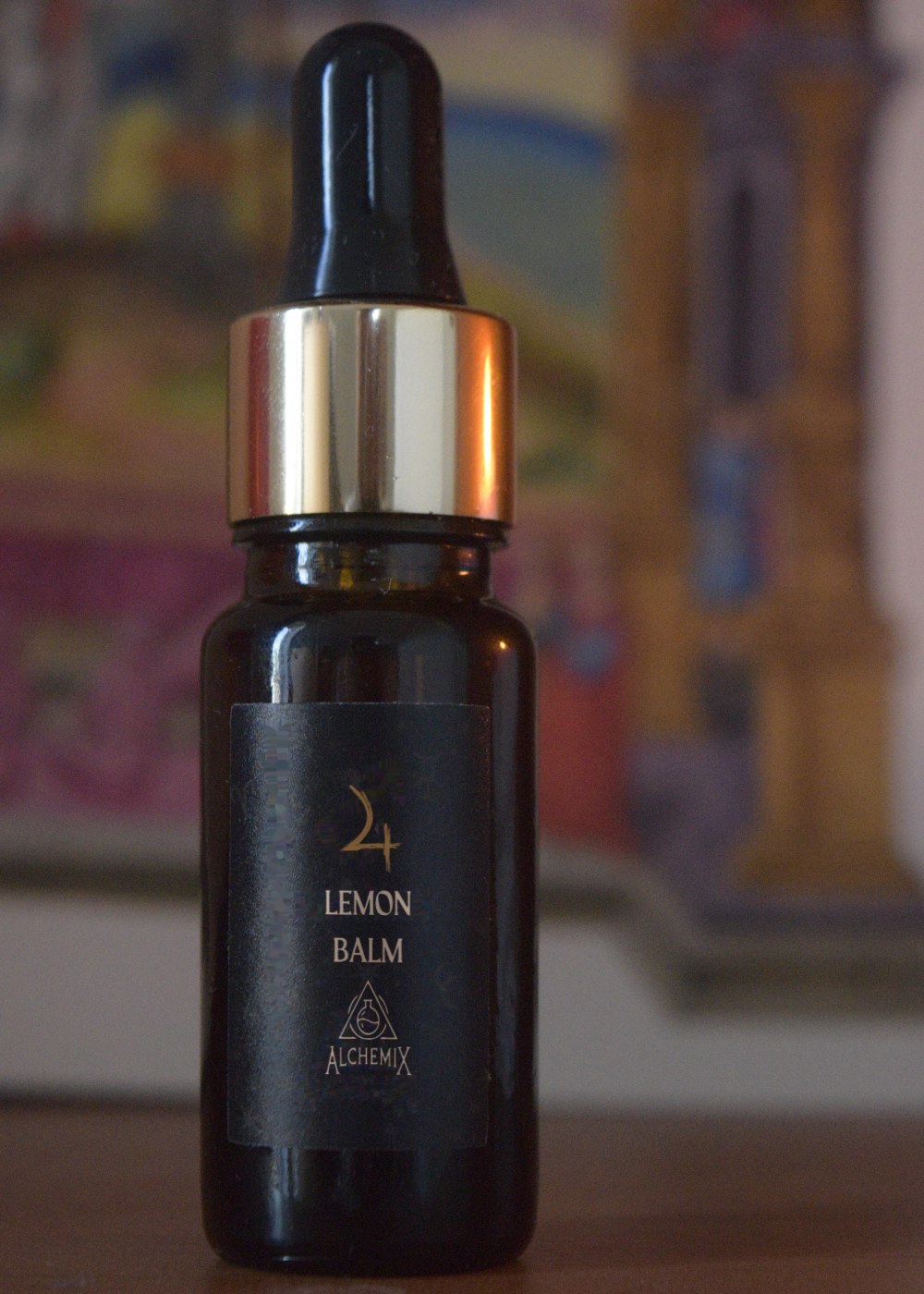
Lemon Balm is kept in our apothecary as a spagyric tincture in the Jovian register, enriched with the plant's own mineral salt. You can see it here. As with everything on our shelves, it is a collector's piece: the history above belongs to the alchemists and herbalists of the past, and we sell no remedy.