


Ayurveda
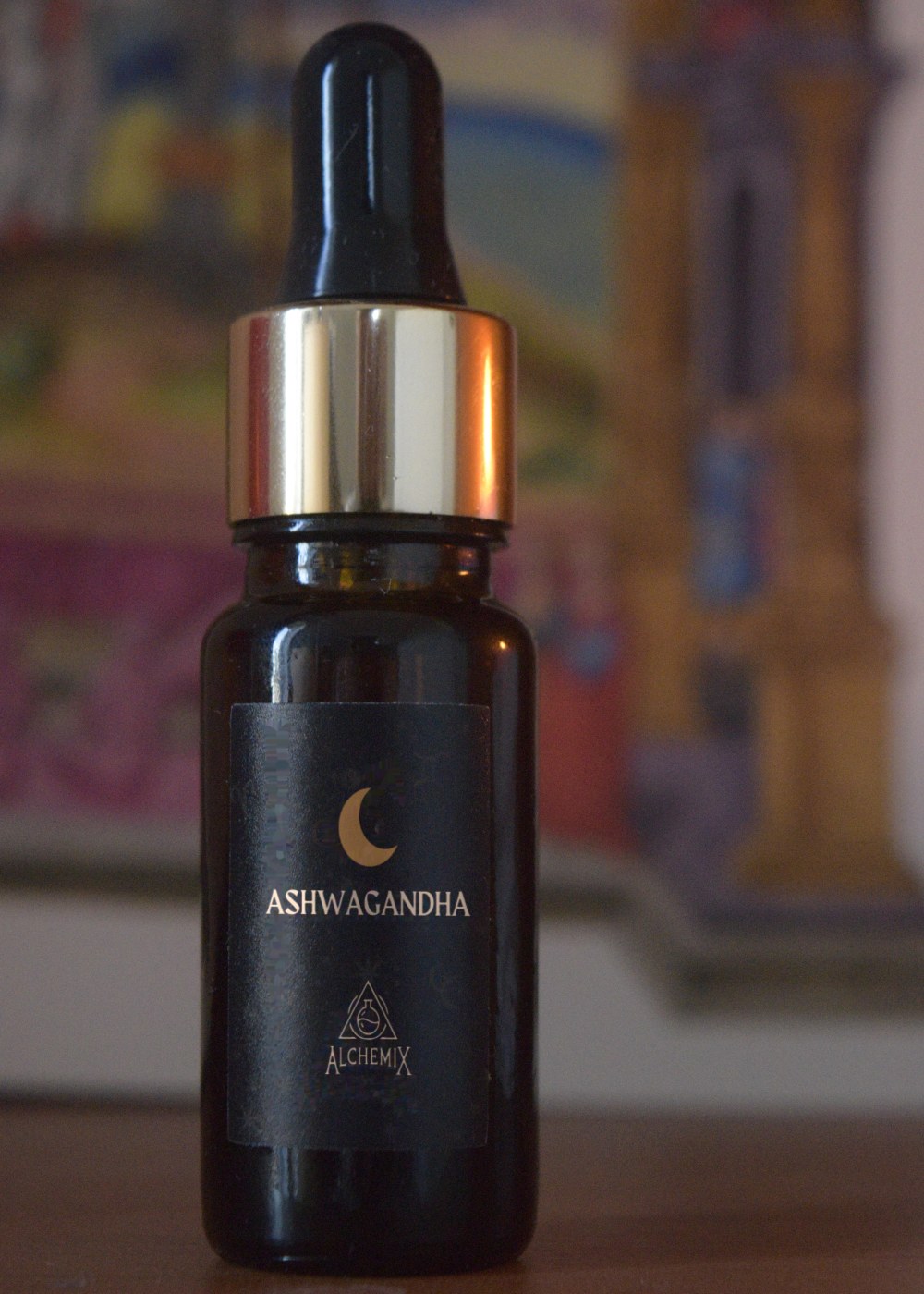
Ashwagandha
Withania somnifera·Moon
Essence
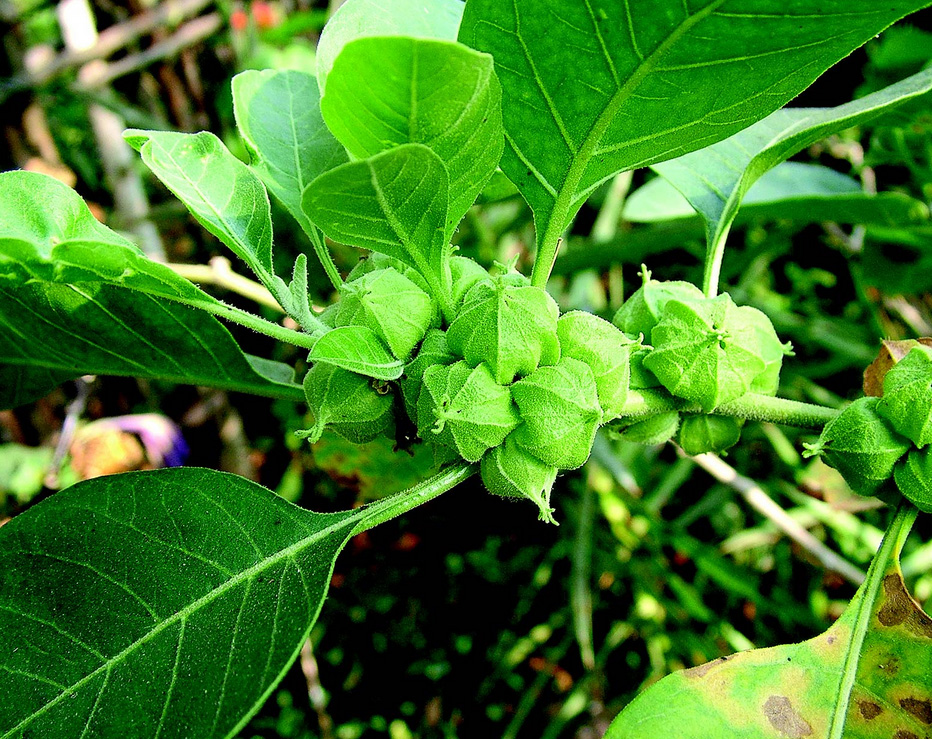
Ashwagandha — the Ayurvedic root whose Sanskrit name carries the scent of the horse and the strength of the stallion — is among the most revered plants in the long traditions of India. The classical texts classed her as a rasayana, a rejuvenator, and for thousands of years the physicians of that tradition called upon her when reserves were spent: used to restore strength to the exhausted and steadiness to worn nerves, to rebuild what long effort or illness had drained, and to return deep sleep to the sleepless — a restorer, the old texts insisted, and not a stimulant. The spagyric Work concentrates the root in fire and salt. As for the planetary signature, the plant spoke with two voices, and we listened long before setting it down: the Sun shows in her scarlet fruit and her love of warm earth; the Moon in her silver-downed leaves and in the way she keeps that fruit hidden within its papery calyx — the vessel of Luna guarding the inner gold of Sol until the time of its revelation is come. But the final word is written into her very name: somnifera, the sleep-bringer. So she is set down under the Moon — the register of night, and of the quiet restoration night stands for.
$30
10 ml, in amber glass — free shipping across Europe
Collector’s & study artefact — not for consumption
II.
Signature
The planetary seal
PLANET
Moon
Hermetically ashwagandha stands under the rule of the Moon — though the Sun speaks in her too. Her scarlet fruit and love of warm earth are solar; her silver-haired leaves and the papery calyx that shelters the fruit are lunar — the outer vessel of Luna guarding the inner gold of Sol until the time of its revelation. The last word belongs to her name: somnifera, the sleep-bringer. Hers is the Moon's register — the night side of the Work.
III.
Virtues
The virtues, in brief
- Strength restoredThe rasayana called upon when reserves were spent.
- Steady nervesTo return steadiness to worn nerves — a restorer, not a stimulant.
- Deep sleepSomnifera, the sleep-bringer — set under the Moon.
IV.
Tradition
The inheritance of the leaf
Apothecary
Joined to our shelves after long listening; her signatura was set down under the Moon — the silvered calyx guarding an inner gold.
Prepared as a reconstruction of a historical spagyric recipe and offered as a collector’s and study artefact. Not a foodstuff, medicament or cosmetic product within the meaning of applicable legislation. Not intended for human consumption, internal or external use. — Alchemix · Prague.