


Doctrine of Signatures
Eyebright
Euphrasia officinalis·Sun
Essence
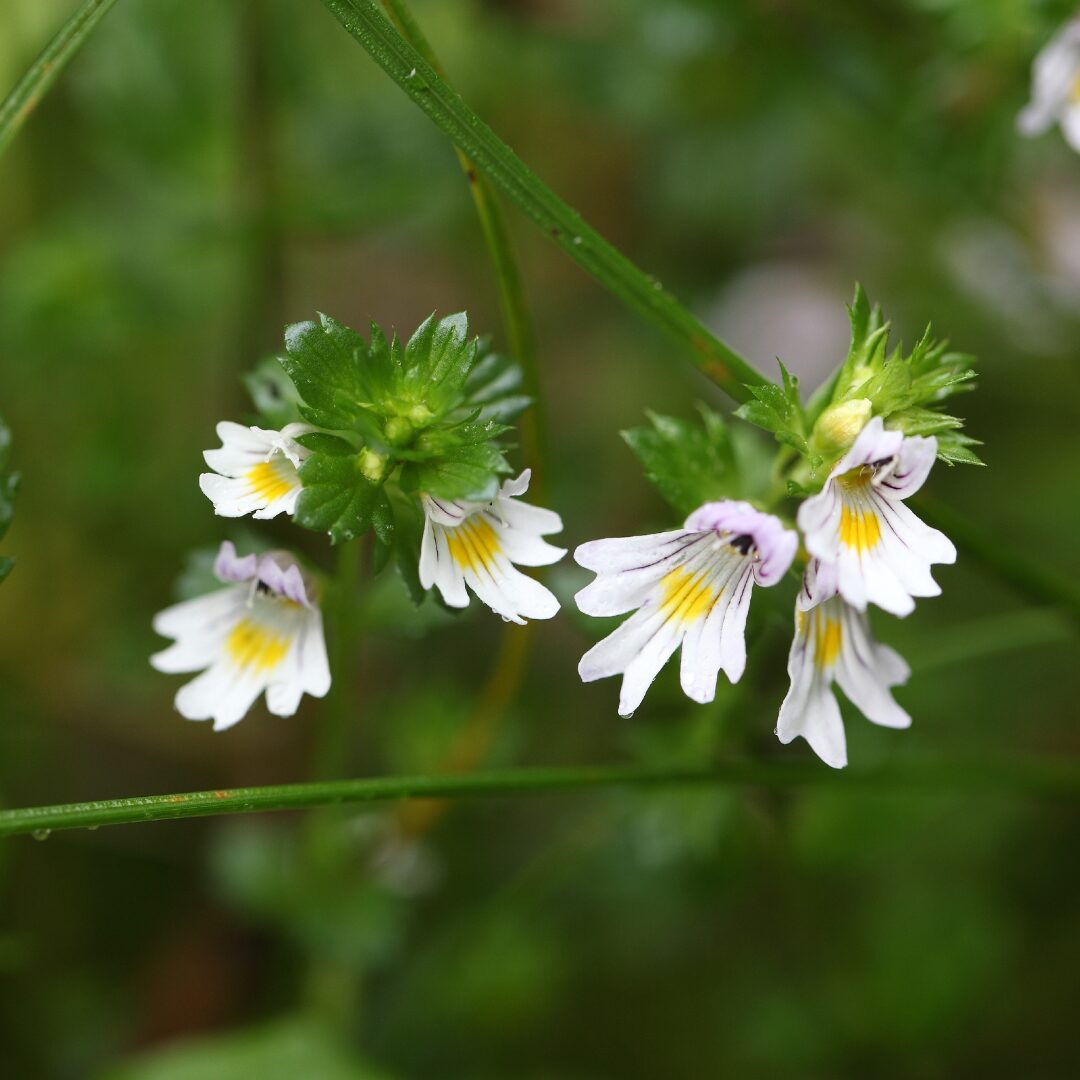
Euphrasia takes her name from Euphrosyne, one of the three Graces of the Greeks — the grace of gladness. Her small white flower is painted with a golden eye and violet lashes, and by the old Doctrine of Signatures, which read a plant's purpose in its form, the herbalists of the Renaissance set her down as the herb of the eyes and called her Eyebright; Culpeper and the medieval herbals kept her under that name for centuries. She has been used all that while to relieve tired and strained eyes, to soothe their irritation and dryness, and to keep the sight fresh and clear — and, in the spiritual reading, to clear the inner sight as well: Milton has the archangel Michael purge Adam's vision with euphrasy and rue in Paradise Lost. Hermetically she belongs to the Sun: her signature is illumination — the light that parts illusion, the clear glance, the insight that arrives like morning. Enriched with the plant's own alchemical mineral salt, sealed in glass for the collector's shelf.
$60
10 ml, in amber glass — free shipping across Europe
Collector’s & study artefact — not for consumption
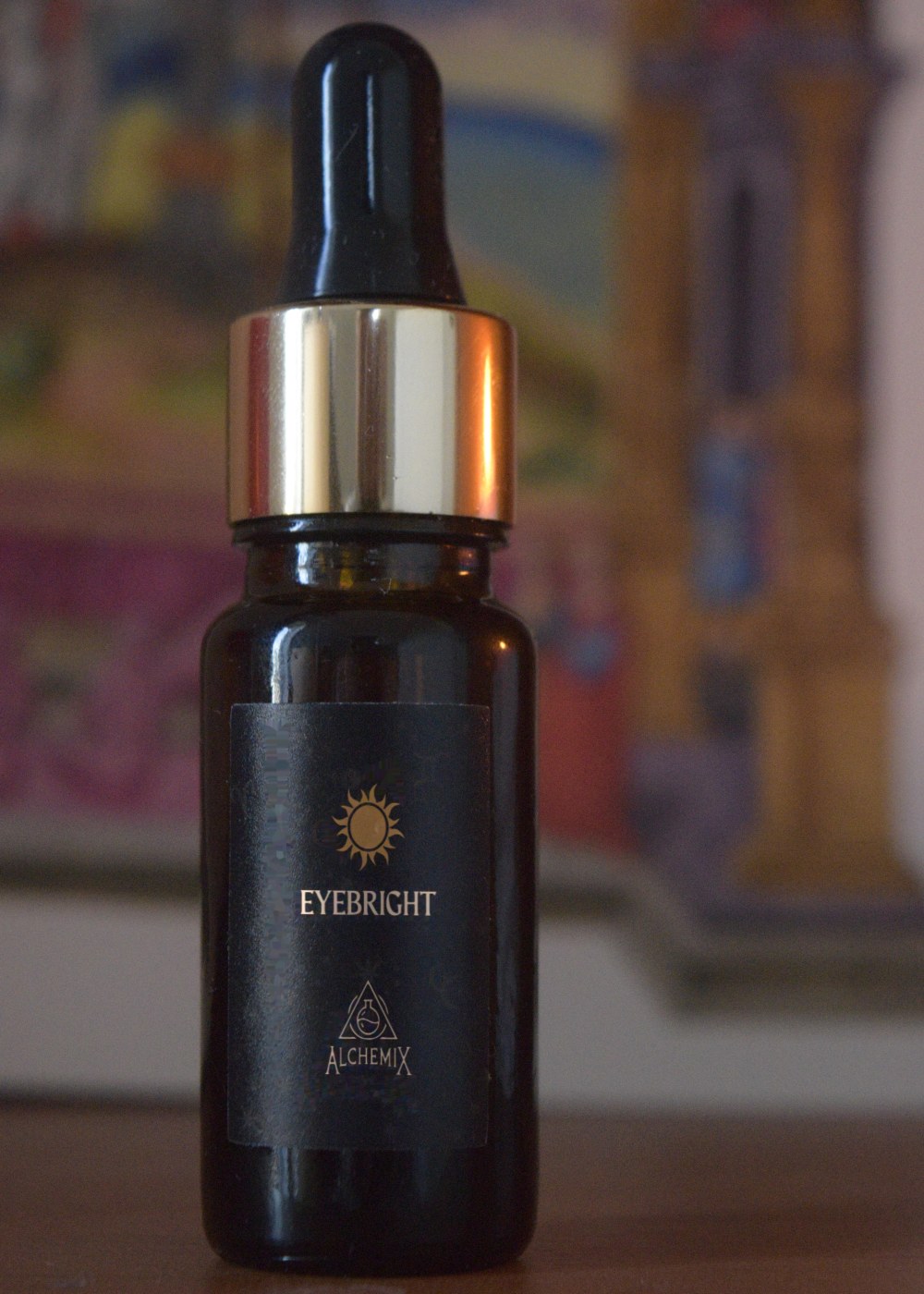
Enriched with Mineral Salts
This elixir carries the alchemical salt of the plant — its purified mineral body, returned to the tincture.
II.
Signature
The planetary seal
PLANET
Sun
Under the solar signature, Eyebright stands for illumination — the light that parts illusion and grants the clear glance, in sight and in spirit alike.
III.
Virtues
The virtues, in brief
- Clear, bright sightThe herb of the eyes since the old Doctrine of Signatures named her.
- Rested eyesUsed to soothe the tired, strained and dry eye.
- Inner illuminationThe Solar signature — the light that parts illusion.
IV.
Tradition
The inheritance of the leaf
Solar elixir
Traditionally associated with spiritual 'seeing' — the passage through illusions toward intuitive insight.
Prepared as a reconstruction of a historical spagyric recipe and offered as a collector’s and study artefact. Not a foodstuff, medicament or cosmetic product within the meaning of applicable legislation. Not intended for human consumption, internal or external use. — Alchemix · Prague.